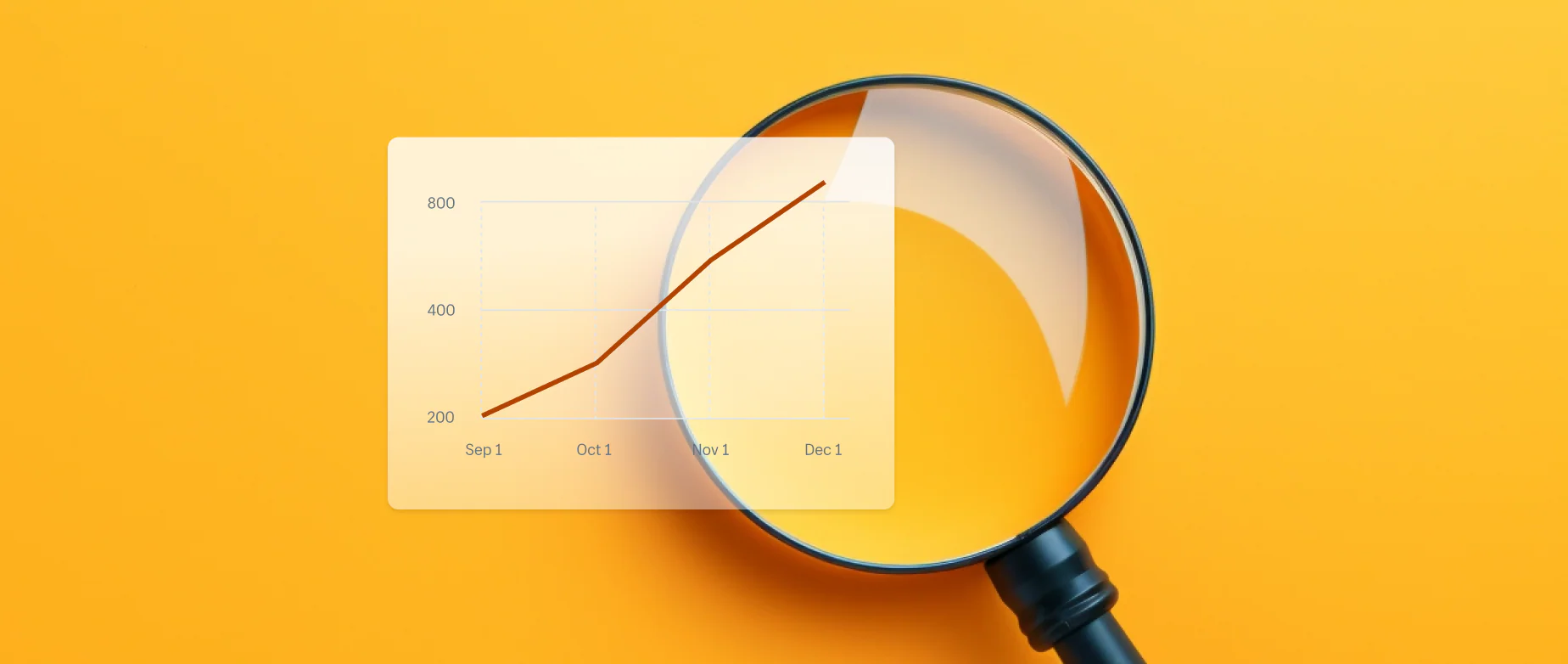
Search engine optimization (SEO) can bring steady, high-quality traffic to your website. But here’s the catch: if you’re not keeping an eye on the right key performance indicators (KPIs), you won’t know whether your strategy is working—or if you’re wasting time and resources.
Not every metric carries the same weight. Some will matter more depending on your business model and goals. Let’s break down 10 essential SEO KPIs worth tracking, along with the tools you can use to measure them.
What Are SEO KPIs?
SEO KPIs are metrics—like organic traffic, backlinks, and keyword rankings—that show how effective your SEO strategy is. Monitoring these indicators regularly gives you the insights you need to refine your approach and improve performance.
Why Tracking SEO KPIs Matters
SEO is a long-term investment. It usually takes three to six months before you start seeing meaningful results. Since you can’t afford to wait half a year to judge success, KPIs help bridge the gap by offering a mix of short-term (leading) indicators and long-term (lagging) results.
- Leading indicators: predictive measures that signal what’s likely to happen next.
- Lagging indicators: reflective measures that confirm how your past efforts performed.
10 Important SEO KPIs to Track
1. Organic Traffic
This measures all traffic that comes from non-paid search engines like Google or Bing. More organic traffic means more people are discovering your business naturally.
💡 Pro tip: Compare traffic year over year (not month over month) to account for seasonal changes like holidays or sales periods.
Tools: Google Analytics, Google Search Console
Type: Lagging
2. Backlinks
Backlinks are one of Google’s most important ranking signals. They’re essentially “votes of confidence” from other trusted websites. The more high-quality backlinks you earn, the more likely you are to rank higher in search results.
Tools: Ahrefs, Semrush, Moz, Google Analytics
Type: Lagging
3. Keyword Rankings
Knowing where your site ranks for target keywords helps you understand what’s driving traffic. With semantic search, a single page can rank for hundreds of terms, not just one.
Track at least 1–4 keywords per page to see what’s working and where you need improvement.
Tools: Ahrefs, Semrush, Moz
Type: Lagging
4. Organic Conversions
Traffic is great—but it doesn’t mean much unless it converts into revenue.
Conversions can include:
- Sales
- Newsletter sign-ups
- Free trial requests
- Checkout completions
You can even assign values to non-purchase conversions (e.g., $10 for each newsletter sign-up).
Tools: Google Analytics
Type: Lagging
5. Branded vs. Non-Branded Traffic
- Branded traffic: users already searching for your business name.
- Non-branded traffic: users discovering you through generic product or service searches.
Branded searches show awareness, while non-branded searches prove you’re reaching new audiences. Tracking both helps you understand brand growth and SEO acquisition power.
Tools: Google Search Console
Type: Lagging
6. Search Visibility
Search visibility shows how often your site appears for a target keyword compared to competitors.
Example: If a keyword gets 1,000 searches/month and you capture 10% of the clicks, your search visibility is 10%.
Tools: Ahrefs
Type: Leading
7. Organic Click-Through Rate (CTR)
CTR measures how many impressions lead to actual clicks.
If you’re ranking well but your CTR is low, your title tags, meta descriptions, or schema may not be compelling enough. Optimizing them can quickly boost traffic.
Tools: Google Search Console
Type: Leading
8. Google Business Profile Metrics
For businesses with physical locations, your Google Business Profile is essential.
Metrics to watch include:
- Clicks to call
- Clicks to website
- Requests for directions
These low-funnel signals often indicate purchase intent.
Tools: Google Business Profile
Type: Leading
9. SEO ROI
ROI shows whether your SEO investment is paying off.
Formula:
(Total organic revenue – SEO costs) / SEO costs x 100
Keep in mind: not every page delivers revenue directly. Blog posts might build awareness, while product pages often drive direct sales.
Tools: Google Analytics, your CRM, your e-commerce platform
Type: Lagging
10. Core Web Vitals
Google uses these metrics to measure user experience. They directly affect rankings, so staying on top of them is critical.
The three main vitals are:
- Largest Contentful Paint (LCP): main content loads within 2.5 seconds
- First Input Delay (FID) → Interaction to Next Paint (INP): page responsiveness
- Cumulative Layout Shift (CLS): visual stability with no unexpected shifts
Tools: Google Search Console
Type: Leading
SEO KPIs: Quick FAQ
How can you improve SEO KPIs?
Ans: By identifying which KPIs align with your goals, setting benchmarks, and monitoring progress consistently. Adjust strategies when numbers plateau or decline.
Are there KPIs you can ignore?
Ans: Yes. Metrics like bounce rate, average time on page, or exit rate don’t directly show SEO success. They require too much segmentation to be truly useful.
What’s the best way to measure SEO success?
Ans: The most reliable measure is SEO ROI. If your revenue growth outweighs your SEO costs, your strategy is working.
